
こんにちは。
My name is Fumito, Japanese language tutor in Japan and writer at reading-japanese.com.
Sometimes students from Nigeria message me:
“Sensei, I want to learn Japanese here first before going to Japan.
Which schools or centers in Nigeria teach Japanese, and how much does it cost?”
Nigeria doesn’t have big “Japanese-only” schools like Tokyo or Osaka, but it does have universities, language schools, and training centers that offer Japanese courses at different price levels.lextorah-elearning+4
Below is a human-style overview of where you can learn Japanese in Nigeria and what kind of fees you should expect.
1. UniAbuja Japanese Language and Culture Institute (University of Abuja)
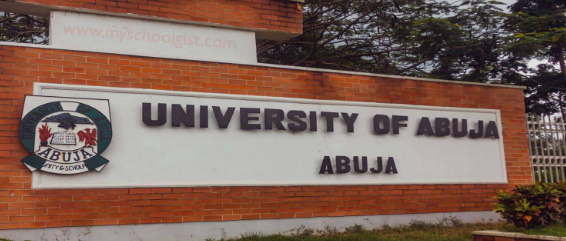
The University of Abuja runs a Japanese Language and Culture Institute that offers online Japanese courses open to the public.schoolingng+1
- Fees (per course):
- Application fee: ₦5,500 (non‑refundable)myschoolgist+1
- Course fee: ₦50,000schoolingng+1
- Mode: Online classes, so you can join from anywhere in Nigeria.
- Good for: Learners who want a university‑linked program at a moderate price with some cultural content as well.
For many Nigerians, this is one of the most structured and transparent Japanese options available nationwide.
2. Lextorah School of Languages – Japanese in Lagos

Lextorah School of Languages in Lagos offers Japanese courses alongside other foreign languages.lextorah-elearning
- Style: Private language school with group and possibly one‑on‑one lessons.lextorah-elearning
- Fees: They don’t list a single fixed price on the public page, but course fee ranges shown on aggregator sites suggest tens of thousands of naira depending on duration and format.courses.laimoon+1
This is a good option if you live in Lagos and want a formal classroom environment instead of only online classes.
3. Marvton Language School – Japanese in Ikeja, Lagos
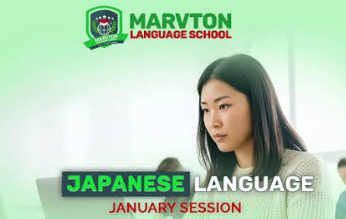
Marvton Language School in Ikeja is specifically promoted as one of the best Japanese language schools in Lagos.marvton.sitesng+1
- Location: No. 26 Ezekiel Street, off Toyin Street, Ikeja, Lagos.marvton.sitesng
- Focus: Offers Japanese among other languages, with in‑person classes.
- Fees: Platforms listing Japanese classes in Nigeria show average course fees around ₦25,000, but some providers go higher or lower depending on hours and level.classes
If you’re around Ikeja and want a physical class, Marvton is one of the serious places to check.
4. Private Training Providers (Octus Mindz and Others)
Training providers like Octus Mindz appear in fee comparison lists for Japanese courses in Nigeria.courses.laimoon
- Example from one listing: A 24‑hour Japanese course at a training center can reach high professional prices, even up to six‑figure or seven‑figure naira amounts for corporate‑style training.courses.laimoon
- This is usually aimed at companies or high‑budget learners, not the average student.
The wide range (from around ₦136,000 upward in some listings) shows how much provider and target audience affect the price.courses.laimoon
5. Graceville, Global Languages, and Other Multi‑Language Centers
Class‑listing platforms show many centers that include Japanese in their course lists, such as Gracevile School of Languages, Global Languages Institute, Pasford Linguistics Academy, and others.classes
- Average fee: Around ₦25,000 per course is quoted as the typical Japanese class fee on these platforms, though actual prices vary by location, duration, and lesson type.classes
- Mode: Often small group lessons, sometimes weekend or evening classes.
If you’re not in Lagos or Abuja, these listings are useful to find nearby centers that quietly offer Japanese.
6. Online Japanese Schools & Tutors Serving Nigeria
Nigerian learners also use online tutors and schools a lot:
- Platforms like Preply or Superprof list hundreds of Japanese tutors, with hourly rates often starting around ₦1,000–₦5,000+ per hour depending on the tutor.preply+1
- Pros:
- Flexible schedule
- 1‑to‑1 conversation practice
- You can choose native or non‑native teachers based on budget
This can be a powerful combination with a cheaper local course:
take a group course for structure, then add online one‑to‑one for speaking practice.
7. Typical Fee Range for Japanese in Nigeria
When you look across universities, language schools, and tutorial centers, fee comparison sites give a rough picture:
- Cheaper side: some basic or promo courses from around ₦1,000–₦25,000 (short, intro, or group classes).classes+1
- Mid‑range: university‑linked or established language schools often around ₦50,000–₦100,000 per course/level (like the UniAbuja example at ₦50,000).myschoolgist+2
- High end / corporate: specialized training centers can charge ₦100,000+ up to several hundred thousand naira for intensive or corporate courses.courses.laimoon
So you really have to match:
- your budget,
- your goal (hobby vs exam vs work),
- and your location.
Also Read More:
- How to Learn Japanese Through Anime Without Feeling Overwhelmed
- When to Start Learning Kanji (and Why Sooner Is Better)
- How to Construct a Japanese Sentence
- How to learn Japanese FAST? Tips from a native speaker 🇯🇵📚✨🌎✈️
- What books to buy if you wanna learn japanese language 📚
How to Choose as a Nigerian Learner
From a tutor’s perspective, when you pick a Japanese course in Nigeria, don’t look at price only. Ask:
- Does the course include speaking and listening, or only grammar notes?
- How many hours do you get for the fee?
- Is there a clear level system (Beginner → Intermediate → JLPT N5/N4 prep)?
- Is the teacher experienced with Nigerian learners, so they know your challenges with pronunciation and kanji?
For many students, a smart combo looks like this:
- Start with an affordable group course (e.g., UniAbuja or a Lagos school).
- Add online tutoring once a week for real conversation practice.
That way your total cost stays reasonable, but your progress is much faster.
To understand your situation better:
If you were choosing in Nigeria right now, would you prefer a cheaper group course with many students, or a more expensive option with smaller classes or private lessons, and why?