
Hi everyone, Fumito here! Welcome back to reading-japanese.com.
Today I want to give you something big — 100 traditional Japanese greetings, all in one place. Not just “konnichiwa” and “sayonara,” but the full range: the ones you say when you leave your house, the ones the shop staff shout when you walk in, the ones you write on a New Year’s card, and the ones your grandmother’s generation still uses.
Here is the thing about Japanese greetings that surprises many learners: in Japan, the greeting is not small talk. It is the relationship. A proper 挨拶 (aisatsu, greeting) tells the other person how you see them, how close you are, and how much respect you are showing. Use the wrong one and it feels strange, even if your grammar is perfect.
So I organized these 100 greetings into 9 situations, so you can find exactly what you need. Every entry has the Japanese, the romaji, the meaning, and a short note from me on when to actually use it.
If you are still learning to read the kana, open my full hiragana guide and katakana guide in another tab — you will get much more out of this list if you can sound the words out yourself.
1. Everyday Greetings (1–14)
These are the daily basics. If you learn nothing else today, learn these.
| # | Japanese | Romaji | Meaning | When to use |
|---|---|---|---|---|
| 1 | おはよう | Ohayō | Morning! | Casual. Friends, family, people younger than you. |
| 2 | おはようございます | Ohayō gozaimasu | Good morning | Polite. Safe with anyone. In many workplaces it is used all day for a first greeting. |
| 3 | おはようさん | Ohayō-san | Mornin’ | Kansai flavor, warm and friendly. You will hear this in Osaka. |
| 4 | こんにちは | Konnichiwa | Hello / good afternoon | Roughly 11am to 5pm. Written は but pronounced wa. |
| 5 | こんばんは | Konbanwa | Good evening | From around sunset onward. Also written with は, pronounced wa. |
| 6 | おやすみ | Oyasumi | Night! | Casual. To family and close friends. |
| 7 | おやすみなさい | Oyasuminasai | Good night | Polite version. Only when someone is actually going to sleep or leaving for the night. |
| 8 | やあ | Yā | Hey | Light and casual, slightly masculine. |
| 9 | どうも | Dōmo | Hi / thanks | Wonderfully vague. Can mean hello, thanks, or sorry depending on tone. |
| 10 | おっす | Ossu | Yo! | Very casual, mostly young men, sports clubs. Never to a boss. |
| 11 | こんちは | Konchiwa | Hiya | Shortened こんにちは. Friends only. |
| 12 | もしもし | Moshi moshi | Hello? | Phone only. Never say this face to face. |
| 13 | ごきげんよう | Gokigen’yō | Good day to you | Elegant and old-fashioned. Works as both hello and goodbye. |
| 14 | ハロー | Harō | Hello | Borrowed from English, playful, common with kids. |
Fumito’s tip: Notice how many greetings change depending on the time of day. Japanese does not really have a single all-purpose “hello.” こんにちは at 7am sounds odd, the same way “good afternoon” would at breakfast in English.
2. Asking How Someone Is (15–22)
| # | Japanese | Romaji | Meaning | When to use |
|---|---|---|---|---|
| 15 | お元気ですか | Ogenki desu ka | Are you well? | Polite. Careful — this is not an everyday “how are you.” Use it with someone you have not seen in a while. |
| 16 | 元気? | Genki? | You good? | Casual, friends. |
| 17 | 調子はどう? | Chōshi wa dō? | How’s it going? | Casual, about health or how things are generally. |
| 18 | いかがお過ごしですか | Ikaga osugoshi desu ka | How have you been keeping? | Formal, common in letters and emails. |
| 19 | お久しぶりです | Ohisashiburi desu | It’s been a while | Polite. Very common and very useful. |
| 20 | 久しぶり | Hisashiburi | Long time no see! | Casual version of the above. |
| 21 | ご無沙汰しております | Gobusata shite orimasu | I apologize for my long silence | Very formal, business. Carries a small apology inside it. |
| 22 | 相変わらずですね | Aikawarazu desu ne | You haven’t changed a bit | Warm and friendly after a reunion. |
3. Meeting Someone for the First Time (23–30)
| # | Japanese | Romaji | Meaning | When to use |
|---|---|---|---|---|
| 23 | はじめまして | Hajimemashite | Nice to meet you (first time) | Literally “for the first time.” Only ever on a first meeting. |
| 24 | よろしくお願いします | Yoroshiku onegaishimasu | Please treat me well | The most important phrase in Japanese social life. Ends almost every introduction. |
| 25 | よろしく | Yoroshiku | Nice to meet you | Casual short form. |
| 26 | どうぞよろしくお願いいたします | Dōzo yoroshiku onegai itashimasu | I humbly ask for your kind regard | Very formal. Business cards, interviews, first client meetings. |
| 27 | こちらこそよろしくお願いします | Kochira koso yoroshiku onegaishimasu | The pleasure is mine | The perfect reply to #24. |
| 28 | お会いできて嬉しいです | Oai dekite ureshii desu | I’m glad to meet you | Warm and sincere. |
| 29 | お目にかかれて光栄です | Ome ni kakarete kōei desu | It is an honor to meet you | Very humble, for someone of high status. |
| 30 | お名前を伺ってもよろしいですか | Onamae o ukagatte mo yoroshii desu ka | May I ask your name? | Polite way to ask a name without being blunt. |
If you want to build a whole self-introduction around these, I walk through it step by step in my beginner lesson on greetings and introductions.
4. Saying Goodbye (31–47)
| # | Japanese | Romaji | Meaning | When to use |
|---|---|---|---|---|
| 31 | さようなら | Sayōnara | Farewell | Heavier than learners expect. It suggests a long separation. Japanese people rarely say it to friends. |
| 32 | さよなら | Sayonara | Bye | Softer, shortened spoken form. |
| 33 | じゃあね | Jā ne | See ya | Casual and extremely common. |
| 34 | またね | Mata ne | See you later | Friendly and warm. |
| 35 | また明日 | Mata ashita | See you tomorrow | Classmates, coworkers. |
| 36 | また来週 | Mata raishū | See you next week | Same idea, longer gap. |
| 37 | また今度 | Mata kondo | See you next time | When you have no fixed date. |
| 38 | それでは | Sore dewa | Well then… | Polite, slightly formal way to close a conversation. |
| 39 | では、また | Dewa, mata | Well, until next time | Polite and neat. Common in email sign-offs. |
| 40 | バイバイ | Bai bai | Bye bye | Cute and casual, popular with women and children. |
| 41 | 失礼します | Shitsurei shimasu | Excuse me (as I leave) | Leaving a room, an office, or hanging up a business call. |
| 42 | お先に失礼します | Osaki ni shitsurei shimasu | Excuse me for leaving first | Essential workplace phrase when you clock out before your colleagues. |
| 43 | お疲れ様でした | Otsukaresama deshita | Thank you for your hard work | The standard workplace goodbye. Said to anyone finishing work. |
| 44 | 気をつけて | Ki o tsukete | Take care | Casual, said to someone heading out. |
| 45 | お気をつけてお帰りください | Oki o tsukete okaeri kudasai | Please get home safely | Polite, for guests leaving your home or office. |
| 46 | 良い一日を | Yoi ichinichi o | Have a good day | A modern phrase, influenced by English. |
| 47 | 良い週末を | Yoi shūmatsu o | Have a good weekend | Friday afternoon favorite. |
Fumito’s tip: Please do not say さようなら to your friends every day. To Japanese ears it can sound like “goodbye forever.” Use またね or じゃあね instead.
5. Greetings at Home and as a Guest (48–60)
This group is where Japanese really shows its character. These greetings are almost ritual — they mark the door between inside and outside.
| # | Japanese | Romaji | Meaning | When to use |
|---|---|---|---|---|
| 48 | いってきます | Ittekimasu | I’m off (and I’ll come back) | Said by the person leaving the house. |
| 49 | いってらっしゃい | Itterasshai | Go and come back safely | The reply from the person staying behind. |
| 50 | ただいま | Tadaima | I’m home | Said the moment you step back in the door. |
| 51 | おかえり | Okaeri | Welcome back | Casual reply to ただいま. |
| 52 | おかえりなさい | Okaerinasai | Welcome home | Polite version. |
| 53 | お邪魔します | Ojama shimasu | Sorry to intrude | Say this when entering someone else’s home. Literally “I will be a nuisance.” |
| 54 | お邪魔しました | Ojama shimashita | Thank you for having me | Say this on the way out. |
| 55 | ごめんください | Gomen kudasai | Excuse me, anyone home? | Calling out at a doorway or entrance. Traditional and a little old-fashioned. |
| 56 | いらっしゃい | Irasshai | Welcome! | Warm host greeting to a guest. |
| 57 | ようこそ | Yōkoso | Welcome | Used for arrivals, events, and signage. |
| 58 | どうぞお上がりください | Dōzo oagari kudasai | Please come up / come in | “Up” because you step up from the entryway into the house. |
| 59 | いただきます | Itadakimasu | I humbly receive | Said before eating. A greeting to the food and everyone who made it possible. |
| 60 | ごちそうさまでした | Gochisōsama deshita | Thank you for the meal | Said after eating. Never skip it at someone’s home. |
The いってきます / いってらっしゃい and ただいま / おかえり pairs are matched call-and-response sets. Learning both halves is the whole point — one without the other sounds incomplete.
6. Shops, Restaurants and Business (61–76)
You will hear most of these long before you ever say them.
| # | Japanese | Romaji | Meaning | When to use |
|---|---|---|---|---|
| 61 | いらっしゃいませ | Irasshaimase | Welcome to our store | Staff say this to you. You do not need to reply. |
| 62 | お世話になっております | Osewa ni natte orimasu | Thank you for your continued support | Opens nearly every business email and phone call in Japan. |
| 63 | いつもお世話になっております | Itsumo osewa ni natte orimasu | Thank you always for your support | Slightly warmer version. |
| 64 | お疲れ様です | Otsukaresama desu | Thanks for your hard work | Said during the workday, as a general greeting between colleagues. |
| 65 | ご苦労様です | Gokurōsama desu | Good work | Used downward, from senior to junior. Do not say this to your boss. |
| 66 | 失礼いたします | Shitsurei itashimasu | Please excuse me | Humble form, business settings. |
| 67 | かしこまりました | Kashikomarimashita | Certainly, sir/madam | Service industry acknowledgment. |
| 68 | 承知いたしました | Shōchi itashimashita | Understood | Business email and speech. |
| 69 | お待たせいたしました | Omatase itashimashita | Thank you for waiting | Said when your food arrives or your turn comes. |
| 70 | 少々お待ちください | Shōshō omachi kudasai | One moment please | Polite request to wait. |
| 71 | ありがとうございました | Arigatō gozaimashita | Thank you very much (past) | Past tense, used as the transaction ends. |
| 72 | またのお越しをお待ちしております | Mata no okoshi o omachi shite orimasu | We look forward to your next visit | Formal shop farewell. |
| 73 | 行ってらっしゃいませ | Itterasshaimase | Please go and return | Extra-polite version used by hotel and shop staff. |
| 74 | お帰りなさいませ | Okaerinasaimase | Welcome back | Hotels, high-end shops, and yes — maid cafés. |
| 75 | ご来店ありがとうございます | Goraiten arigatō gozaimasu | Thank you for visiting our store | Announcements and signage. |
| 76 | 本日はお忙しい中ありがとうございます | Honjitsu wa oisogashii naka arigatō gozaimasu | Thank you for coming despite your busy schedule | Opening line at meetings and events. |
7. Seasonal and New Year Greetings (77–88)
Japan’s most important greeting season is New Year. These appear on 年賀状 (nengajō, New Year postcards), which Japanese families still send by the billions.
| # | Japanese | Romaji | Meaning | When to use |
|---|---|---|---|---|
| 77 | あけましておめでとうございます | Akemashite omedetō gozaimasu | Happy New Year | Only after January 1st, never before. |
| 78 | 今年もよろしくお願いします | Kotoshi mo yoroshiku onegaishimasu | Please treat me well again this year | Always paired with #77. |
| 79 | あけおめ | Akeome | HNY! | Slangy contraction, young people, texts. |
| 80 | ことよろ | Kotoyoro | Same to you this year | Slangy contraction of #78. |
| 81 | 良いお年を | Yoi otoshi o | Have a good new year | Said before New Year, in late December. |
| 82 | 良いお年をお迎えください | Yoi otoshi o omukae kudasai | May you welcome a good new year | Full polite form of the above. |
| 83 | 謹賀新年 | Kinga shinnen | Happy New Year | Written form for cards, not usually spoken. |
| 84 | 迎春 | Geishun | Greeting the spring | Classic two-character New Year card phrase. |
| 85 | 暑中お見舞い申し上げます | Shochū omimai mōshiagemasu | Midsummer greetings | Written on summer greeting cards, roughly July. |
| 86 | 残暑お見舞い申し上げます | Zansho omimai mōshiagemasu | Late-summer greetings | Used from around mid-August. |
| 87 | 寒中お見舞い申し上げます | Kanchū omimai mōshiagemasu | Midwinter greetings | Mid-January to early February. |
| 88 | メリークリスマス | Merī Kurisumasu | Merry Christmas | Christmas in Japan is a romantic, not religious, occasion. |
If you want to see what a real nengajō looks like, Japan Guide’s page on New Year customs has good photos and background.
8. Thanks and Apologies (89–95)
In Japanese these function as greetings too, because so much of daily interaction opens with one or the other.
| # | Japanese | Romaji | Meaning | When to use |
|---|---|---|---|---|
| 89 | ありがとう | Arigatō | Thanks | Casual. |
| 90 | ありがとうございます | Arigatō gozaimasu | Thank you | Polite, present tense — for ongoing kindness. |
| 91 | どうもありがとうございます | Dōmo arigatō gozaimasu | Thank you very much | Extra emphasis. |
| 92 | すみません | Sumimasen | Excuse me / sorry / thank you | The most flexible word in Japanese. Use it to get attention, apologize, or thank someone for trouble taken. |
| 93 | ごめんなさい | Gomen nasai | I’m sorry | A genuine apology, more personal than すみません. |
| 94 | 申し訳ありません | Mōshiwake arimasen | I have no excuse | Deep, formal apology. Business settings. |
| 95 | 恐れ入ります | Osoreirimasu | I’m much obliged | Elegant, humble. Common in service and business speech. |
9. Congratulations and Well-Wishes (96–100)
| # | Japanese | Romaji | Meaning | When to use |
|---|---|---|---|---|
| 96 | おめでとうございます | Omedetō gozaimasu | Congratulations | All-purpose polite congratulations. |
| 97 | お誕生日おめでとう | Otanjōbi omedetō | Happy birthday | Add ございます to make it polite. |
| 98 | ご結婚おめでとうございます | Gokekkon omedetō gozaimasu | Congratulations on your marriage | Weddings and wedding cards. |
| 99 | 頑張って | Ganbatte | Do your best! / Good luck | Said before exams, matches, interviews. |
| 100 | お大事に | Odaiji ni | Take care of yourself | To someone who is unwell. Also said by doctors and pharmacists. |
Three Rules That Make All 100 Easier

After teaching these for years, I think almost all Japanese greeting mistakes come down to three things.
1. Match the level, not just the meaning. Most greetings come in pairs — a casual form and a polite form. おはよう and おはようございます mean the same thing, but they say very different things about your relationship. When you are unsure, go one level more polite. Nobody has ever been offended by too much respect.
2. Many greetings come in pairs. いってきます needs いってらっしゃい. ただいま needs おかえり. はじめまして leads to よろしくお願いします, which is answered with こちらこそ. Learn both sides together and conversations will flow naturally.
3. Greetings mark a boundary. Entering a house, leaving work, starting a meal, ending a year — Japanese puts a greeting at every threshold. Once you notice this pattern, you stop memorizing phrases and start understanding when a greeting is expected.
Frequently Asked Questions
What is the most common greeting in Japan? おはようございます (ohayō gozaimasu) and こんにちは (konnichiwa) are the most common spoken greetings. In workplaces, お疲れ様です (otsukaresama desu) is heard constantly all day long.
Is it rude to say さようなら? Not rude, but often unnatural. さようなら suggests a long or final parting. For everyday goodbyes, use またね, じゃあね, or お疲れ様でした.
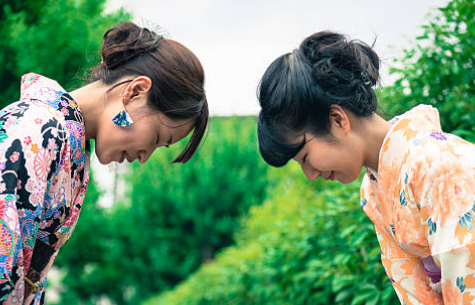
Do I bow when I greet someone? Usually yes, at least a small nod. A light 15-degree bow works for casual greetings, 30 degrees for polite ones. If you are shaking hands with a foreign visitor, a nod is enough.
Can I just say “konnichiwa” all the time? No — こんにちは is tied to daytime, and it is also slightly distant. You would not greet your own family with it. Time of day and closeness both matter.
What does よろしくお願いします really mean? There is no clean English equivalent. It sits somewhere between “please look after me,” “I look forward to working with you,” and “thanks in advance.” Learn it as a social gesture rather than a sentence.
Keep Going
If you got through all 100, you now know more Japanese greetings than many learners who have studied for a year. Here is what I would do next:
- Pick ten greetings from this list that match your actual life and drill only those this week
- Practice the paired ones out loud, both halves — say いってきます, then answer yourself with いってらっしゃい
- Work through my JLPT N5 preparation checklist if you are aiming for the exam
- Read my 10 habits of effective Japanese learners for how to make a short daily routine stick
- If you learn a little differently, my guide to studying Japanese with ADHD and dyslexia has strategies that pair well with lists like this one
For more background on how Japanese politeness levels work, Tofugu’s explanation of keigo is a good outside read, and NHK World’s free Japanese lessons give you native audio for many of these phrases.
Now tell me — which greeting on this list surprised you the most? Leave a comment below. Mine is #13, ごきげんよう. My grandmother used it every single day, and almost nobody says it anymore.
Ganbatte, and I will see you in the next lesson!
— Fumito