


The foundation of any language and what makes every language a form of art, grammar.
Difficult to get going, but can help widen how you express your feelings, and efficiently communicate to those around you.
Make sure you understand each grammar point^ ^each point will have links for more detail below them.
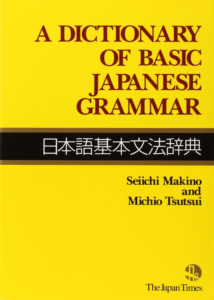
- noun は noun/adjective です。
noun is noun/adjective.
e.g.1) 私はアメリカ人です。
I am American.
e.g.2) これは本です。
This is a book.
noun は noun/adjective です。
Lets go through the grammar point, and other related points that are useful!
noun は noun/adjective です。(nouns also include pronouns such as I, she, he)
noun is noun/adjective.
The particle in this case is は (pronounced “wa” not “ha” when used as a particle), and can be translated to “is”, and used after nouns.
examples:
- 私はアメリカ人です。
I am American.
The particle は is used for statements - これは本です。 本=ほん=hon
This is a book.- これ=this
- それ=that (when who you are talking to it is close to what you are specifying)
- あれ=that (when you and who you are talking to are far from the object)
When using “this” and “that” as determinants, e.g. “This book“ is green;
you must use: - このnoun=this noun
- そのnoun=that noun (object far from you but close to who you’re speaking to)
- あのnoun=that noun (object far from both you and who you’re speaking to)
- トイレはどこですか?
Where is the Toilet?Here is an example of the grammar point as a question.
As you can see, the “main subject” must come first at all times. - これはいくらですか?
How much is this?
similar to the previous example, the main subject is “this”. The object you are asking about. - この本はいくらですか?
How much is this book?
an example using この.try making your own sentences and post them in the comment section!
I’ll correct you if you have any mistakes, and give you a ^ ^)b (thumbs up) if you’re on spot! It’ll also help the learning community out as well!^ ^
て-form verbs
3 basic uses for the te-form:
– Requesting action (please ~)
– Progressive verb (I am “running”/”walking”/etc.)
– Listing multiple actions in a sentence
##If you haven’t learned verb groups,
〜ますform
Group 1 verbs: Drop ます and the character before it, then add the respective てform as follows>>
い、ち、り → って (e.g. はしります→はしって)
び、み、に → んで (e.g. あそびます→あそんで)
き → いて (かきます→かいて)
ぎ → いで (およぎます→およいで)
exception>>
いきます → いって
Group 2 verbs: drop the ます and add て
ます → て (e.g. たべます→たべて)
Group 3 verbs: just these 2
きます → きて
します → して
from Dictionary form>>>>>>>
Group 1:
う、つ、る → って
む、ぶ、ぬ → んで
く → いて
ぐ → いで
exception>> いく → いって
Group 2:
る → て
Group 3:
する → して
くる → きて
Sentences with て-form
あした、へやをそうじして、ともだちのいえにいって、えいがをみます。(listing)
じかんがないので、はしってください。(request)
いま、かれはねています。(progressive)
て-form verbs
3 basic uses for the te-form:
– Requesting action (please ~)
– Progressive verb (I am “running”/”walking”/etc.)
– Listing multiple actions in a sentence
##If you haven’t learned verb groups
〜ますform
Group 1 verbs: Drop ます and the character before it, then add the respective てform as follows>>
い、ち、り → って (e.g. はしります→はしって)
び、み、に → んで (e.g. あそびます→あそんで)
き → いて (かきます→かいて)
ぎ → いで (およぎます→およいで)
exception>>
いきます → いって
Group 2 verbs: drop the ます and add て
ます → て (e.g. たべます→たべて)
Group 3 verbs: just these 2
きます → きて
します → して
from Dictionary form>>>>>>>
Group 1:
う、つ、る → って
む、ぶ、ぬ → んで
く → いて
ぐ → いで
exception>> いく → いって
Group 2:
る → て
Group 3:
する → して
くる → きて
Sentences with て-form
あした、へやをそうじして、ともだちのいえにいって、えいがをみます。(listing)
じかんがないので、はしってください。(request)
いま、かれはねています。(progressive)