
My name is Fumito, a Japanese language tutor living in Japan and the person behind reading-japanese.com.
Filipino students message me a lot with questions like:
“Sensei, what is the best Japanese language school in the Philippines?”
“Is there any way to study Japanese for free here, or do I need an expensive school?”
So in this article, I want to talk to you honestly as a teacher, not as an advertiser:
- What kind of free Japanese courses the Philippine government and public institutions offer
- Some of the most well-known paid Japanese language schools and online options
- And how you, as a Filipino learner, can choose the best combination for your goal
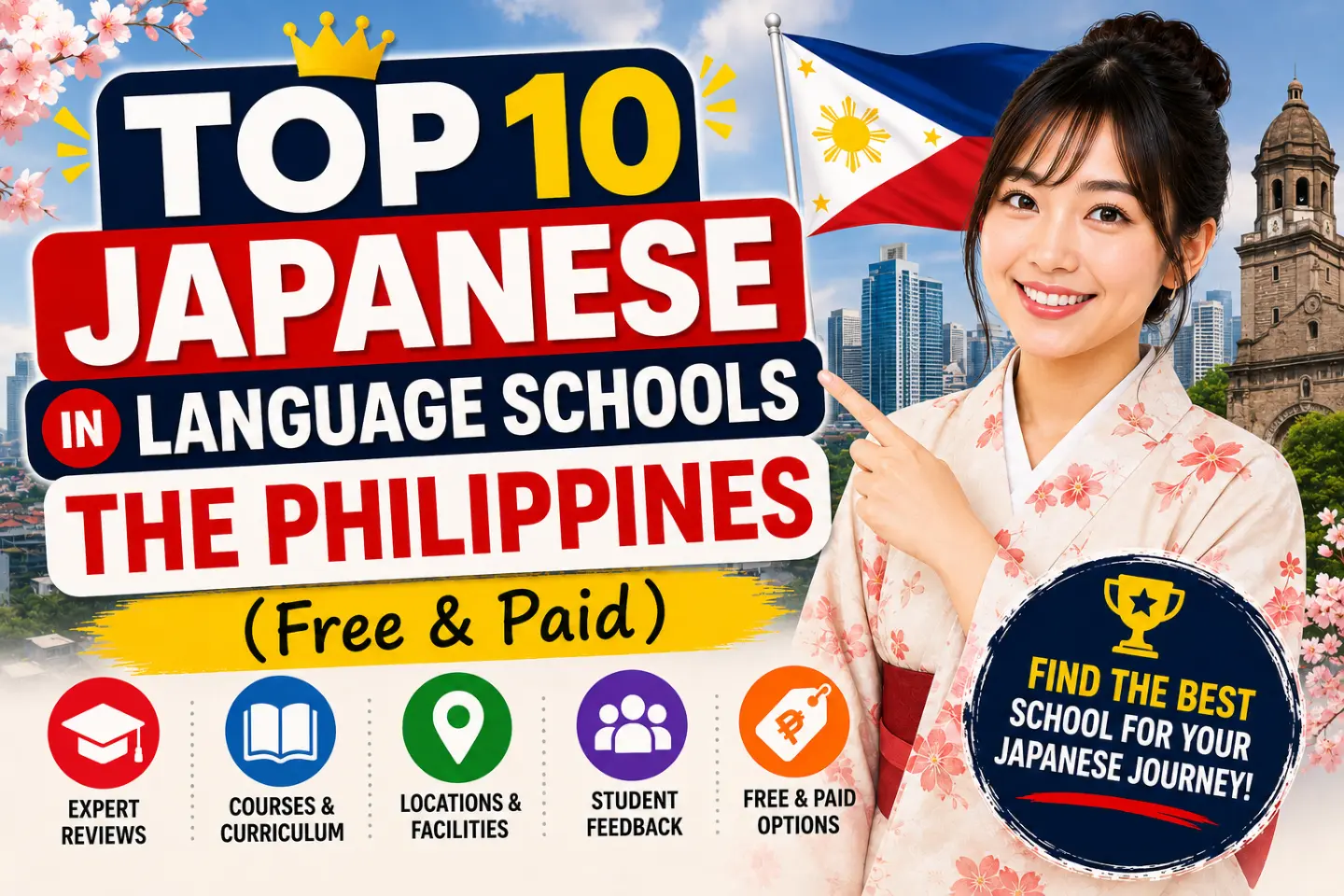
This is not a strict ranking. Think of it as a Top 10 starting points, seen through the eyes of a Japanese tutor who cares about your long-term progress.
TESDA Language Skills Institutes – Free Basic Japanese (Government)
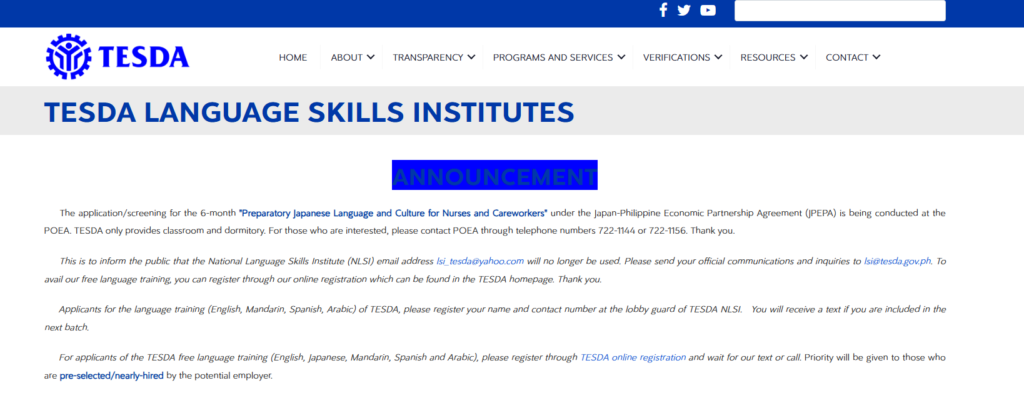
If you are in the Philippines and want government-backed, free Japanese, your first stop should be TESDA’s Language Skills Institutes (LSI).
TESDA offers a program called “Basic Japanese Language and Culture”, usually around 150 hours, under its LSI network.
- Tuition: Free (but there are requirements and screening, especially for those preparing to work abroad).
- Focus: Practical beginner Japanese + culture for overseas employment, especially under agreements like JPEPA.
- Good for:
- People who want to work in Japan (caregiver, technical, etc.)
- Learners who cannot afford private tuition but are serious enough to commit to a full course
As a teacher, I really like that this program gives structured classroom time for free. The weak point is that it stops at basic level, so you will still need to continue by yourself or with another school afterwards.
Quezon City Public Library – Free Online Japanese (Local Government)
Another beautiful example of public support is the free online Basic Japanese class from Quezon City Public Library (QCPL).
- Organizer: Quezon City Government, via QC Public Library.
- Mode: Online (e.g., Zoom), open nationwide for Filipinos 18+.
- Content: Basic grammar, vocabulary, everyday phrases, and introduction to reading Japanese.
- Instructors: Conducted in partnership with a Japanese education company like Jellyfish Education Philippines.
Honestly, if I lived in QC, I would sign up immediately. Even from outside QC, it’s a great model: local government + private educators + free access.
For your readers, this is a nice example that “not all good Japanese classes are expensive.”
Nihongo Center Foundation (NCF) – Long-Established Private School
Now let’s move to paid private schools.
Nihongo Center Foundation (NCF) is one of the most established Japanese language schools in the Philippines.
- Established: 1997.
- Reputation: Frequently mentioned by Filipinos as a “premier” Nihongo school.
- Courses: Multiple levels, JLPT prep, and general Japanese communication.
- Type: Paid (standard private school tuition).
If a student tells me, “Sensei, I want a serious, traditional Nihongo school in Metro Manila,” NCF is usually in the first group of names I think of. It’s good for people who like a structured classroom environment and are ready to invest money and time.
JLRC – Japanese Language Research Center (JLRC Nihongo)
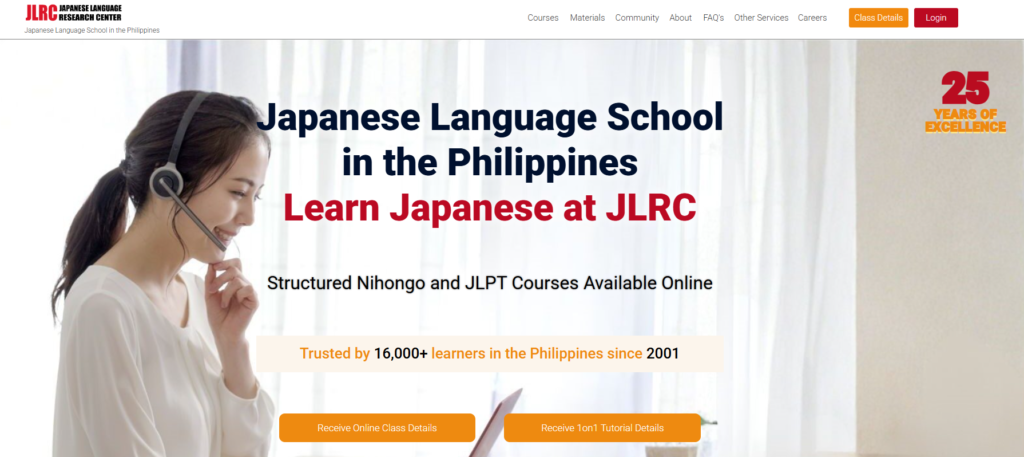
JLRC is another big name in the Philippine Nihongo scene.
- Claim: Ranked high in student numbers among “web-listed Japanese language schools in the Philippines”, with data to support the claim.
- Features:
- Type: Paid
From a teacher’s perspective, JLRC tends to attract learners who are very goal-oriented—they want JLPT level, work in Japan, clear outcomes. If that’s your audience, this school fits well into your “Top 10” list.
Also Read More:
- Japanese Language Proficiency Test N2 Grammar Review: Is New Full Master Grammar Worth It?
- JLPT N5 Exam Pattern Explained: Sections, Timing, Scoring & What to Expect in 2026
- Learn Kumihimo on the Marudai: My Honest Review of “Japanese Braiding” by Jacqui Carey
- Japanese Vocabulary QuickStudy Guide Review
- All-in-One Japanese for Beginners Review: Is This 5-in-1 Book Really Worth Your Money?
UNMEI Nihongo Center
UNMEI Nihongo Center boldly calls itself “The No. 1 Japanese Language School in the Philippines”.
- Emphasis:
- Type: Paid
A lot of Filipino learners like schools that feel energetic and motivational, not just academic. From the outside, UNMEI markets itself exactly like that—very confident, very forward.
CEVAS – Nihongo Language School
CEVAS Philippines is another private provider that positions itself as a top Japanese language school.
- Offers:
- Type: Paid
If your readers are near its location and want small-group or tutorial-style learning, CEVAS can be part of their options list.
JPLT – Affordable Online Japanese School
Not everyone can afford a standard Metro Manila language school, so JPLT is interesting.
- Branding: “Philippines’ most affordable online Japanese language school”.
- Model: Around ₱999 per month for access to unlimited courses and a 24/7 virtual study environment.
- Type: Paid but budget-friendly
From a tutor’s viewpoint, this is good for learners who are motivated but short on money. They still need to be disciplined—cheap doesn’t help if you never log in—but the barrier to entry is low.
International Online Platforms (Free & Paid) – Used by Filipinos
Even though they’re not “Philippine schools”, many Filipinos use:
- JF Japanese e-Learning Minato – Free/low-cost online courses created by The Japan Foundation, with structured beginner–intermediate content.
- General platforms like Busuu – Free Japanese course with option to upgrade to premium for extra features.
These platforms are:
- Perfect to combine with TESDA / QCPL / any local school
- Very helpful for self-study and review
You can treat them in your article as “global but essential tools for Filipino learners.”
Colleges & Universities with Nihongo Programs
Many Philippine universities and colleges offer:
- Japanese subjects as electives, or
- Stand-alone certificate courses in Nihongo
Some of them are supported by Japanese institutions and The Japan Foundation, so the environment is more academic but still practical.
For a Filipino student already in college, this can be the cheapest way to learn Japanese “inside” your current study plan, and then later you can add a private course if you want to go deeper.
Smaller Japanese Academies & Community Classes
Finally, across Metro Manila and other cities (Cebu, Davao, etc.), there are many smaller academies and private tutors.
You often see them recommended in:
- Reddit threads asking “Best place to learn Japanese?”
- Facebook groups where people ask for face-to-face Nihongo classes.
Quality is mixed, so as a teacher, my advice is:
- Check the teacher’s JLPT level and experience
- Ask about class size and curriculum
- Look for real student feedback, not just slogans
These small centers can be fantastic if the teacher is good and the class is small—but you must investigate a bit.
Free vs Paid in the Philippines: What Should You Choose?
If you are Filipino and just starting Japanese, a very strong combination is:
- Free government/public option
- Plus one paid option
- A private school like Nihongo Center Foundation, JLRC, UNMEI, CEVAS
- Or an affordable online option like JPLT
Think of it like this:
- Free programs give you a strong base without financial stress.
- Paid programs give you more intensity, more levels, and more flexibility.
As a tutor, I always tell my students:
Don’t choose only by “famous” name. Choose by fit: your goal, your budget, your time, and your learning style.